
Indigenous vs Exotic - Choosing Your Palette
· 4 min read
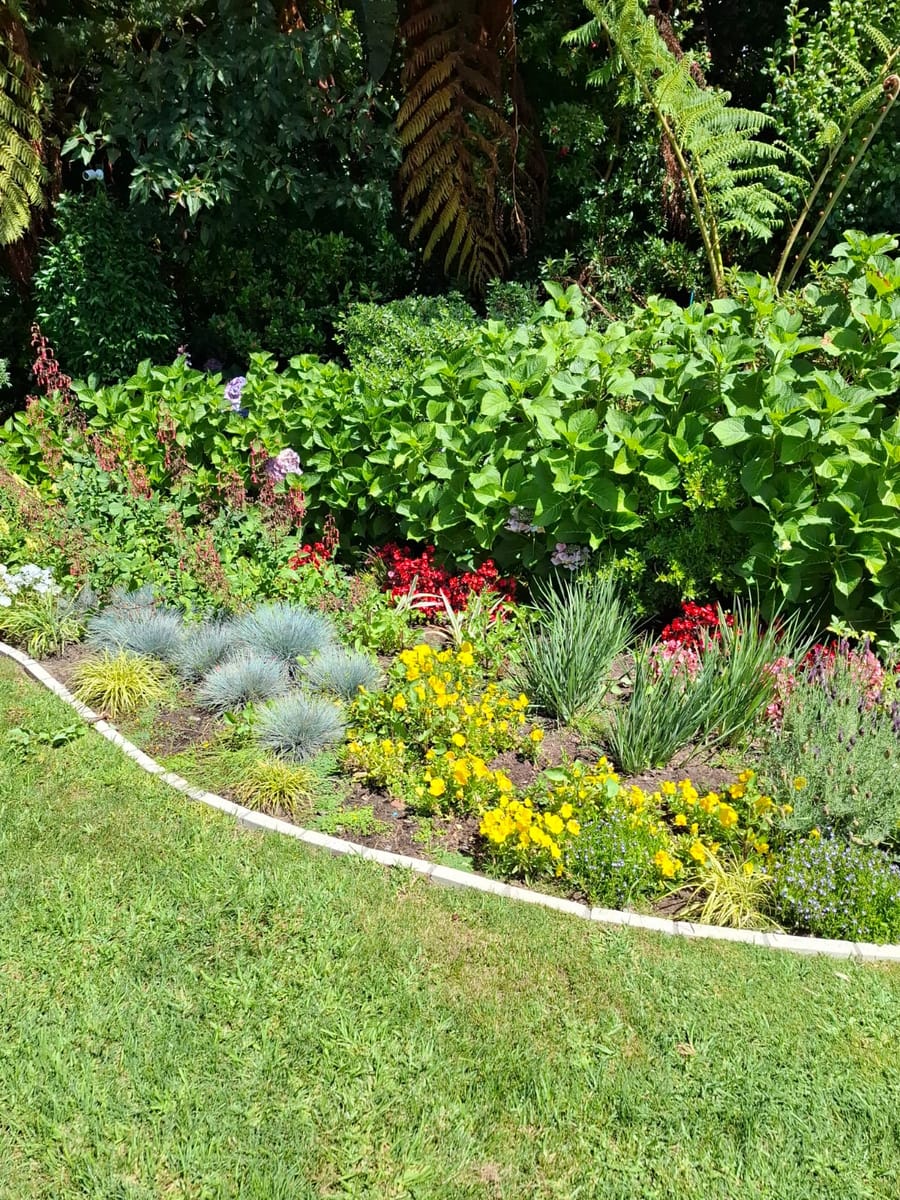
There is a quiet debate in every Cape garden: how indigenous should it be? The honest answer - mostly, but not entirely.
The case for indigenous
The Cape Floral Kingdom is one of only six in the world and the smallest. Choosing indigenous plants means lower water use, fewer pests, no fertiliser dependency, and a garden that feeds local sunbirds, bees, and butterflies. It also means your garden looks like it belongs in the Cape - not in Sussex.
Where exotics still earn their place
Roses, lavender, citrus, olives, and most edible herbs are exotics that have lived alongside Cape gardens for centuries. They thrive here, they're beautiful, and they're part of our garden heritage.
Our rule of thumb
About 70% indigenous structural planting (the bones of the garden), 20% well-adapted Mediterranean exotics (lavender, rosemary, olive), and 10% personality (a beloved rose, a productive citrus, a wildcard). It's a recipe for a garden that's climate-resilient, beautiful, and personal.
What to avoid
Steer clear of declared invasives - Pampas grass, Spanish broom, mirror bush, syringa. They look fine in your garden but escape into the mountains and outcompete the Cape flora that makes this place special.